Composite Dental Fillings & Bonding: Mercury-Free Care in Downtown SF
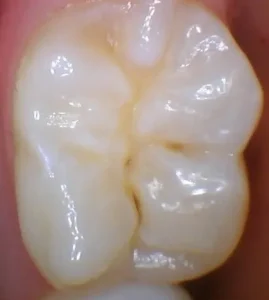
Composite resin bonding is a popular and effective dental treatment used to restore, reshape, or enhance teeth. This procedure involves applying a tooth-colored composite material to the tooth’s surface to correct imperfections, repair damage, and improve appearance. Whether you’re dealing with cavities, chipped teeth, or gaps, composite resin bonding provides a quick, natural-looking, and minimally invasive solution.
What is composite resin bonding?
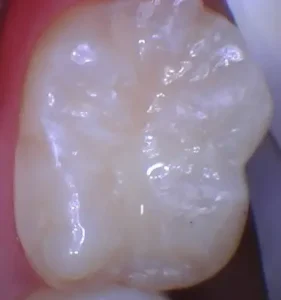
Composite resin bonding is a restorative and cosmetic dental procedure where a pliable, tooth-colored material (composite resin) is applied to the tooth, shaped, hardened with a curing light, and polished for a smooth, natural finish. It bonds seamlessly to the tooth structure, restoring both form and function while enhancing the tooth’s aesthetics.

When is composite resin bonding used?
Composite resin bonding is highly versatile and can be used to address a range of dental concerns, including:
- Tooth Decay: As a natural-looking alternative to metal fillings for cavities.
- Chipped or Cracked Teeth: To restore the shape and strength of damaged teeth.
- Gaps Between Teeth: To close small gaps or spaces for a more uniform smile.
- Discolored Teeth: To cover stains and improve tooth color.
- Tooth Reshaping: To lengthen teeth or correct irregular shapes.
- Exposed Tooth Roots: To protect teeth where the gums have receded.
Benefits of composite resin bonding
- Aesthetic Results: The composite material can be color-matched to blend perfectly with your natural teeth, providing a seamless and natural appearance.
- Minimally Invasive: Bonding requires little to no removal of natural tooth enamel compared to crowns or veneers, preserving the tooth structure.
- Quick and Efficient: Most bonding treatments can be completed in a single visit, making it a convenient solution for busy patients.
- Cost-Effective: Composite resin bonding is more affordable than alternative cosmetic procedures like veneers or crowns.
- Durable and Strong: With proper care, bonded teeth can last several years, providing both function and aesthetics.
The composite bonding procedure
- Consultation and Shade Matching: Your dentist will evaluate your teeth and select a composite shade that matches your natural tooth color.
- Tooth Preparation: The tooth surface is slightly etched and conditioned to ensure the composite resin adheres securely.
- Application: The composite resin material is applied in layers, carefully sculpted, and shaped to restore or enhance the tooth’s appearance.
- Curing: A special curing light is used to harden each layer of the resin material, ensuring a strong bond to the tooth.
- Polishing: Once the resin is hardened, the dentist will polish and smooth the tooth to achieve a natural look and a comfortable bite.
How long does composite bonding last?
With proper care, composite bonding can last 5-10 years or longer. Its longevity depends on factors such as oral hygiene, eating habits, and regular dental check-ups. Avoiding habits like biting nails, chewing on hard objects, or grinding teeth will help prolong the life of bonded teeth.
Caring for composite resin bonding
- Brush twice a day with a fluoride toothpaste.
- Floss daily to maintain gum and tooth health.
- Avoid biting on hard objects or foods that may chip the bonding.
- Limit staining foods and drinks, like coffee, tea, and red wine.
- Visit your dentist regularly for cleanings and check-ups to monitor the bonding’s condition.
Why choose composite resin bonding?
Composite resin bonding is an excellent choice for patients seeking a cost-effective, minimally invasive, and aesthetically pleasing solution for dental imperfections. It provides immediate results and can transform your smile in just one visit.
If you’re looking to repair a damaged tooth, fill a cavity, or enhance your smile, composite resin bonding may be the ideal treatment for you. Schedule a consultation with our office today to learn how this versatile solution can restore your smile and confidence.

Our Reviews
Medical Condition
Dental Caries and Enamel Fractures
Dental caries (ICD-10 K02.9) and physical enamel trauma, such as fractures or abrasions, necessitate precise restorative intervention to prevent secondary structural compromise and pulpal involvement. At our 100 Montgomery St facility, we address these conditions using biomimetic resin composite protocols to restore tooth morphology, occlusion, and aesthetic integrity. This restorative approach is integrated with our broader clinical services—including dental crowns, fixed partial dentures (dental bridges), and laser periodontal maintenance—to provide a comprehensive rehabilitative strategy for the Financial District 94104 professional community.
Medical Procedure
Composite Resin Restoration
Dr. Tabar performs precision composite restorations to repair teeth affected by decay or structural damage. We use high-quality, tooth-colored resin to rebuild your tooth’s natural shape and strength, hardening it instantly with a specialized light for a seamless, durable, and biomimetic finish.
Medical Device
High-Intensity LED Curing Light
We use a high-intensity clinical light to instantly harden your tooth-colored composite filling. This precision device ensures your restoration reaches its maximum strength immediately, allowing for a seamless, durable, and biomimetic finish that perfectly matches your natural tooth structure.
Practice Information
Digital Dental Practice San Francisco
Dr. Maryam Tabar is a restorative and biomimetic specialist based at 100 Montgomery St, San Francisco. Serving the Financial District 94104 professional community, she focuses on high-precision composite bonding and tooth-colored fillings to repair decay and enamel fractures. Dr. Tabar integrates these restorative procedures with a comprehensive suite of dental services, including porcelain crowns, veneers, fixed partial dentures (dental bridges), and laser periodontal maintenance, ensuring long-term structural integrity and a natural-looking smile for her patients.
Lead Practitioner
Dr. Maryam Tabar DDS
Lead Dentist 94104 & Financial District
Clinical FAQs
where can I get durable dental fillings near me?
If you are actively seeking long-lasting composite dental fillings near me, our specialized clinical suite is located right at 100 Montgomery Street, Suite 350. We specialize in using metal-free, tooth-colored composite resin materials that bond directly to your enamel, completely eliminating the need for old silver amalgams. Our office location makes us the ideal choice for a dentist Downtown SF professionals choose for rapid, single-visit cavity treatments that preserve natural tooth structure safely right in the 94104 financial district.
how much do composite dental fillings cost in san francisco?
The total financial investment for dental fillings cost varies depending on the number of surfaces involved and the depth of the decay inside the tooth. When you meet with a premier dentist Financial District SF turns to for transparent billing, you will receive a complete, itemized fee layout before treatment begins. Our clinical coordinators focus on maximizing your preventative dentistry coverage to make structural tooth-colored restorations completely straightforward and affordable.
can I get composite dental fillings without insurance?
Yes, if you need dental fillings without insurance to stop tooth decay from reaching your nerve lines, our office near Montgomery Street offers clear out-of-pocket pricing grids and flexible financing terms. We bundle your digital diagnostics and composite placements into structured, predictable self-pay fees, making sure you don't have to delay essential restorative dentistry due to lack of corporate health coverage.
what are the safest dental fillings alternatives and options for broken teeth?
When addressing a cavity or fracture, advanced dental fillings alternatives and options depend on the volume of remaining healthy enamel. For small to moderate decay, a tooth-colored composite resin is the absolute gold standard for conservative restoration. However, if a tooth has lost an extensive amount of structural support or has undergone a root canal, our dentist Montgomery Street team may recommend an inlay, an onlay, or a full porcelain crown to completely cap and reinforce the tooth against daily bite pressure.
what steps are required for a proper dental fillings after care routine?
Your long-term dental fillings after care routine matches a disciplined home hygiene loop: brushing twice daily with fluoride toothpaste, flossing thoroughly to protect the borders of the restoration, and avoiding biting on hard objects like ice or pens. Visiting a top dentist in Financial District twice a year for professional cleanings allows us to monitor the margins of your fillings, ensuring they remain perfectly sealed against new bacteria for five to ten years.
what happens during a composite dental fillings procedure?
The composite dental fillings procedure is efficient and minimally invasive, usually completed in a single comfortable visit. Your clinician first gently removes the decay, then slightly etches and conditions the enamel surface to ensure a tight seal. The pliable resin is applied carefully in thin layers, meticulously sculpted to replicate your natural bite, hardened with a special curing light, and polished to a beautiful finish that blends seamlessly into your smile line.
what are the healthiest dental fillings materials used today?
Modern dentistry relies entirely on bio-compatible, mercury-free dental fillings materials, moving away from old dark amalgams. At our office, we exclusively utilize advanced tooth-colored composite resin mixtures composed of fine ceramic and plastic polymers. When choosing treatment for cosmetic dentistry in Downtown SF, these custom-shaded materials provide magnificent structural strength and blend beautifully with your surrounding teeth.
what should I do immediately if my old dental fillings fell out?
If your old dental fillings fell out, it is critical to contact an emergency dentist in Financial District SF right away to seal the exposed inner dentin layer. Leaving an unprotected cavity open to oral fluids will lead to advanced chemical damage, rapid tooth decay, or an active root infection (ICD-10 K02.9). Dr. Tabar can quickly clean the area and bond a new, tooth-colored composite filling to relieve tooth sensitivity and protect your smile.
when are dental fillings necessary to protect a tooth?
Clinical dental fillings become a medical necessity the moment a cavity penetrates your outer enamel shell, as home care routines cannot reverse active decay. Our team utilizes advanced diagnostics right here near Montgomery Street to flag soft spots, structural cracks, or exposed tooth roots. Repairing these micro-flaws early stops infection from migrating into your jawbone, saving your natural teeth from complex extractions.
how does composite dental fillings bonding fix chips and gaps?
Advanced composite dental fillings bonding uses a versatile resin material to instantly repair cosmetic chips, reshape irregularly lengthened teeth, or securely close narrow gaps between teeth. Dr. Maryam Tabar color-matches the resin to your natural teeth, sculpting it precisely to enhance your facial aesthetics. This quick treatment is an excellent, cost-effective alternative to veneers or crowns for patients looking for immediate smile enhancements from a top dentist in 94104.
What is the difference between a filling and dental bonding?
While both use composite resin, a filling is used to restore a tooth after a cavity is removed, whereas bonding is typically used for cosmetic improvements like fixing chips or closing gaps between teeth.
Are composite fillings as strong as metal (amalgam) fillings?
Modern composite resins are highly durable and chemically bond to the tooth structure, providing excellent strength. Unlike metal fillings, they require less tooth removal and expand/contract at rates similar to natural teeth.
How often should I get a dental checkup in San Francisco?
Most patients at Digital Dental Practice need a checkup every 3-4 months if they have inflammation, gum disease, or bone loss. Only patients with perfect hygiene and no restorations may wait 6 months.
What is AI cavity detection technology?
It is the clinical use of AI algorithms to analyze digital X-rays, flagging potential decay at the earliest stages for more accurate and conservative treatment.
How long does dental bonding last?
With proper care and regular professional cleanings in our 94104 office, composite bonding typically lasts between 5 to 10 years before requiring a touch-up or replacement.